In doubles, a serve is not just a shot — it’s an agreement: your partner must know in advance where the ball is going.
Serve numbering
Agree on simple numbers with your partner and signal them with fingers behind your back before serving:
- One — down the middle, into the “conflict” zone between the opponents.
- Two — out wide to the sideline, stretching the receiver.
- Three — into the receiver’s body.
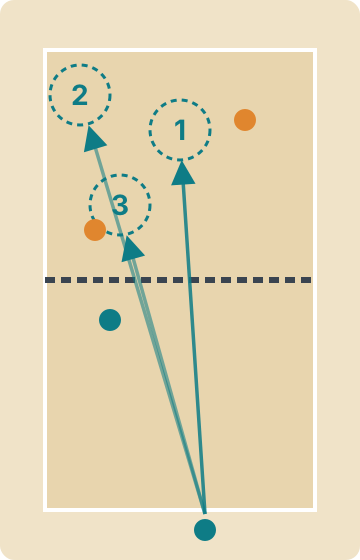
Diagram: the server (teal, bottom) and the three serve zones; the net partner is already shifted toward the serve side.
The number tells your partner where the return will come from — they take position in advance instead of reacting at the last moment.
Positioning at the serve
- The server stands behind the baseline, close to the center mark — it’s easier to cover your half after the serve.
- The partner stands at the net, shifted toward the side the serve is going to.
Right after the serve
- The server steps into the court and covers their diagonal.
- The pair moves together: serve out wide — both shift toward the sideline; serve down the middle — both squeeze to the center.